Tuesday, June 1, 2021

Medical Errors in Laboratory Diagnostics

 Like any other criminal mob every aspect of the American health care industry AKA the Medical Mafia is corrupt and inept. They could fuck up a one man parade.

A Review of Medical Errors in Laboratory Diagnostics and Where We Are Today

Laboratory Medicine, Volume 43, Issue 2, February 2012, Pages 41–44, https://doi.org/10.1309/LM6ER9WJR1IHQAUY
Published:
01 February 2012
Article history

Abstract

While many areas of health care are still struggling with the issue of patient safety, laboratory diagnostics has always been a forerunner in pursuing this issue. Significant progress has been made since the release of “To Err is Human.”1 This article briefly reviews laboratory quality assessment and looks at recent statistics concerning laboratory errors.

It has been 12 years since the Institute of Medicine (IOM) reported the alarming data on the cause and impact of medical errors in the United States.1 Besides causing serious harm to patients, medical errors translate into huge costs for the national economy. In 1999, Berwick and Leape published that the estimated cost of medical errors in the United States was between $17 billion-$29 billion a year.2 In 2006, Null and colleagues published an article indicating the overall estimated annual economic cost of improper medical intervention was much higher, approaching $282 billion.3 While many areas of health care are still struggling with the issue of patient safety, laboratory diagnostics has always been a forerunner in pursuing this issue. The concepts and practices of quality assessment programs have long been routine in laboratory medicine, and error rates in laboratory activities are far lower than those seen in overall clinical health care.4 This article briefly reviews laboratory quality assessment and looks at recent statistics concerning laboratory errors.

Quality Standards

Laboratory medicine sets high quality standards. Regulation of quality in the health care sector is based on accreditation, certification, quality monitoring, patient’s rights, standard operation processes, and standards of health care quality.5 The Centers for Medicare and Medicaid Services (CMS) regulates all laboratory testing (except research) performed on humans in the United States through the Clinical Laboratory Improvement Amendments (CLIA). The Division of Laboratory Services, within the Survey and Certification Group, under the Center for Medicaid and State Operations (CMSO), has the responsibility for implementing the CLIA program. The objective of the CLIA program is to ensure quality laboratory testing.6

In order for a health care organization to participate in and receive payment from Medicare or Medicaid programs, it must be certified as complying with the Conditions of Participation (CoP), or standards, set forth in federal regulations. This certification is based on a survey conducted by a state agency on behalf of CMS. However, if a national accrediting organization, such as The Joint Commission (TJC), formerly known as the Joint Commission on Accreditation of Health Care Organizations, has and enforces standards meeting the federal CoP, CMS may grant the accrediting organization “deeming” authority and “deem” each accredited health care organization as meeting the Medicare and Medicaid certification requirements. The health care organization is then considered to have “deemed status” and is not subject to the Medicare survey and certification process. Laboratories can also be accredited by the College of American Pathologists (CAP) and the Commission on Office Laboratory Accreditation (COLA), both of which also have deemed status with CMS.7,8,9

Sources of Laboratory Error

Traditionally, laboratory practice can be divided into 3 phases (pre-analytical, analytical, and post-analytical). All 3 phases of the total testing process can be targeted individually for improving quality, although it is well published that most errors occur in the pre- and post-analytical phases (Table 1).10 In the field of laboratory medicine, Lippi and colleagues published that the total testing process error rate ranges widely from 0.1% to 3.0%.11 In studies done by Plebani and Carraro, laboratory error rates declined over 10 years from 0.47% in 1977 to 0.33% in 2007.12,13 A similar declining trend has been seen specifically in analytical errors. The analytical variability is now frequently less than 1/20th of what it was 40 years ago.14 Analytical mistakes now count for <10% of all mistakes.12

Analytical Error

Focusing first on the analytical phase of laboratory testing, the analytical phase begins when the patient specimen is prepared in the laboratory for testing, and it ends when the test result is interpreted and verified by the technologist in the laboratory. Not processing a specimen properly prior to analysis or substances interfering with assay performance can affect test results in the analytical phase. Establishing and verifying test method performance specifications as to test accuracy, precision, sensitivity, specificity, and linearity are other areas where errors can occur in the analytical phase of laboratory testing.

The laboratory has spent decades improving analytical quality by establishing internal quality controls (IQC) and external quality assessment (EQA). The role of EQA and proficiency testing (PT) is to provide reliable information allowing laboratories to assess and monitor the quality status of internal procedures and processes, the suitability of the diagnostic systems, the accountability and competence of the staff, along with the definition of measurement uncertainty in laboratory results. The responsibility of laboratory professionals is to appropriately analyze EQA/PT samples and reports, detect trends or bias that may not be apparent in single results, investigate root causes producing unacceptable performances, apply and monitor opportune actions for removing the underlying cause(s), verify the effectiveness, and, above all, determine whether the problem affected clinical decision making.15

Pre-analytical Error

The pre-analytical phase of the total laboratory testing process is where the majority of laboratory errors occur. Pre-analytical errors can occur at the time of patient assessment, test order entry, request completion, patient identification, specimen collection, specimen transport, or specimen receipt in the laboratory. A report by Bonini and colleagues found that pre-analytical errors predominated in the laboratory, ranging from 31.6% to 75%.16 In 2008 to 2009, Chawla and colleagues performed a 1-year study in the clinical chemistry laboratory on the frequency of pre-analytical errors observed in both inpatients and outpatients. For the inpatients, a pre-analytical error rate of 1.9% was reported. The variable receiving the highest frequency rating was specimen hemolysis at 1.10%. For the outpatients, the error rate was 1.2%, and the variable with the highest frequency rating was insufficient volume for testing.17 Some of the other common sources of pre-analytical error are the following: ordering tests on the wrong patient, ordering the wrong test, misidentifying the patient, choosing the inappropriate collection container, or labeling containers improperly.

A comprehensive plan to prevent pre-analytical errors has 5 interrelated steps:

  1. Developing clear written procedures.

  2. Enhancing health care professional training.

  3. Automating functions, both for support operations and for executive operations.

  4. Monitoring quality indicators.

  5. Improving communication among health care professionals and fostering interdepartmental cooperation.18,19,20


Table 1

Types and Rates of Error in the 3 Stages of the Laboratory Testing Process9,20

Phase of Total Testing ProcessType of ErrorRates
Pre-analytical Inappropriate test request 46%–68.2% 
Order entry errors 
Misidentification of patient 
Container inappropriate 
Sample collection and transport inadequate 
Inadequate sample/anticoagulant volume ratio 
Insufficient sample volume 
Sorting and routing errors 
Labeling errors 
Analytical Equipment malfunction 7%–13% 
Sample mix-ups/interference 
Undetected failure in quality control 
Procedure not followed 
Post-analytical Failure in reporting 18.5%–47% 
Erroneous validation of analytical data 
Improper data entry 

Written procedures must clearly explain how to identify a patient, collect and label a specimen, and subsequently transport the specimen and prepare it for analysis. Those individuals performing the pre-analytical procedures must understand not only what the procedures are but why they are important to follow. They need to know not only what happens if the correct steps are not followed, but also what errors can occur and what effect they can have on the sample and ultimately the patient. There must be ongoing training for these employees and competencies must be assessed annually.21

Modern robotic technologies and information systems can also help reduce pre-analytical errors. Computerized order entry simplifies test ordering and eliminates a second person from transcribing the orders. Automated phlebotomy tray preparation provides a complete set of labeled blood tubes and labels for hand labeling in a single tray for each patient. Pre-analytical robotic workstations automate some of the steps and reduce the number of manual steps involving more people. Barcodes also simplify specimen routing and tracking.21

Recent advances in laboratory technology have made available new and more reliable means for the automated detection of the serum indices, including the hemolysis index. Visual detection of hemolysis must be abandoned due to low sensitivity and low reproducibility. Laboratory personnel must ask for new samples when hemolysis is detected. If a new sample cannot be obtained, it is the responsibility of the laboratory specialist to communicate the problem to the clinician. The data obtained from the serum indices can be used to monitor the quality of the collection process.22

Post-analytical Error

In the post-analytical phase of the testing process, results are released to the clinician, and s/he interprets them and makes diagnostic and therapeutic decisions accordingly. Such things as inappropriate use of laboratory test results, critical result reporting, and transmission of correct results are areas of potential error in the post-analytical phase of the total laboratory testing process.

In an article by Plebani and Piva, the authors give a comprehensive overview on the ongoing efforts for improving actual consensus on the definition and notification of laboratory critical values, and for evaluating their contribution to improve clinical outcomes and patient safety. The article also provides some highlights on a valuable experience of automated notification, which is a reliable tool for improving the timeliness of communication and avoiding potential errors for which accreditation programs require read-back of the results.23

Monitoring Errors

The success of any efforts made to reduce errors must be monitored in order to assess the efficacy of the measures taken. Quality indicators must be used for assessment. In the testing process areas involving non-laboratory personnel, interdepartmental communication and cooperation are crucial to avoid errors. Therefore the entire health care system must be involved in improving the total testing process. There must be adequate and effective training of personnel throughout the institution to be competent in following processes and procedures.21

Incident Reporting in Laboratory Diagnostics

While major efforts have been made to monitor the pre-analytical phase and provide reliable solutions, it is surprising that concrete formal programs of incident reporting have not been so pervasive in laboratory diagnostics.24 The major focus in health care is placed on incident reporting for several medical conditions with lesser effort devoted to translating this noteworthy practice into laboratory diagnostics. If, in fact, laboratory errors are being underreported, then current statistics reveal only a small portion of the medical errors actually taking place. There is an urgent need to establish a reliable policy of error recording, possibly through informatics aids,25 and settle universally agreed “laboratory sentinel events” throughout the total testing process, which would allow gaining important information about serious incidents and holding both providers and stakeholders accountable for patient safety. Some of these sentinel events have already been identified, including inappropriate test requests and patient misidentification (pre-analytical phase), use of wrong assays, severe analytical errors, tests performed on unsuitable samples, release of lab results in spite of poor quality controls (analytical phase), and failure to alert critical values and wrong report destination (post-analytical phase).26,27 The Drafting Group of WHO’s International Classification for Patient Safety (ICPS) has also developed a conceptual framework that might also be suitable for diagnostics errors.28

Development and widespread implementation of a Total Quality Management (TQM) system is the most effective strategy to minimize uncertainty in laboratory diagnostics. Pragmatically, this can be achieved using 3 complementary actions: preventing adverse events (error prevention), making them visible (error detection), and mitigating their adverse consequences when they occur (error management).24

Other methodologies can also be used to prevent errors. Failure Mode and Effect Analysis (FMEA) has been a broadly cited reliable approach to risk management. It is a systematic process for identifying potential process failures before they occur, with the aim to eliminate them or minimize the relative risk. The U.S. Department of Veteran Affairs National Center for Patient Safety developed a simplified version of FMEA to apply to health care, called Healthcare FMEA (HFMEA).29 Root Cause Analysis (RCA) is an additional valuable aid, since it is based on a retrospective analytical approach. A RCA focuses on identifying the latent conditions underlying variation in medical performance and, if applicable, developing recommendations for improvements to decrease the likelihood of a similar incident in the future.11

Conclusion

Patient safety emphasizes the reporting, analysis, and prevention of medical errors that often lead to adverse events. Besides carrying serious harms to patient health, medical errors translate into a huge amount of money wiped out of the national and international economy. Significant progress has been made since the release of “To Err is Human.” Basically what has changed is the willingness to recognize the challenge and not argue about the numbers, but appreciate care must be safe always and everywhere for each patient. This has led to remarkable changes in the culture of health care organizations, so medical errors can no longer be seen as inevitable, but as something that can be actively streamlined and prevented.24

Monday, May 31, 2021

American Obesity Means Big Fat Profits For The Food And Medical Industry


 Americans, particularly the ones is the South are are mostly fat pieces of shit and they had a lot of help getting that way. OINK! Obesity and gluttony translates into HUGE profits for the food and medical industries. Not surprisingly that filthy charlatan Dr Oz is in on the act. Fat girls swoon over Dr Oz and knowing that his show has become in part a cooking show. Cooking shows are porn for fat bitches. OINK!

Obesity and gluttony is responsible for at least 1/3 of our healthcare costs. Obesity and gluttony also raise the price of food. The average American eat beast consume more than double the calories of a responsible and lean American. Americans have become vulgar food-centric ego-centric food sluts who have been easily seduced by calorie laden nutritionally lacking junk food. People would like to place all the blame on fast food places such as McDonalds but the fact remains, if the fast food industry were to offer healthy food, the pigs would reject it. McDonalds and other fast food companies tried that and it failed.

While the American Medical Mafia is mostly responsible for the obscene high cost of healthcare Their promotion and enabling of the gluttonous American lifestyle along with the errand boys at the revolving door of the FDA is directly and indirectly responsible for the high cost of healthcare and the overall poor health of Americans. 

While it is undeniable that fat people are vulgar waddling weak-willed gluttons or junk food addicts, they had a lot of help becoming the ugly bags of blubber that we see shamelessly lumbering or riding their fatty scooters through Walmart. 

The unbridled greed  medical industry has not only enabled these pork beasts and land whales it has emboldened them. Keep in mind, fat parents pass their vulgar lifestyles and fattitude on to their little piglets. Obesity, gluttony and type 2 diabetes has been the new normal in America for decades and the American Medical Mafia couldn't be more thrilled. FDA corruption at its finest!

Saturday, May 29, 2021

US Healthcare Costs Per Capita


Until the Medical Mafia is exterminated, this will never change. It will only get worse. If you can think of a peaceful way to fix this, leave a comment in the comment section. The Medical Mafia is pure evil.

Saturday, September 1, 2012

Saturday, August 18, 2012

Health Care Regulation Under Romney The Liar

http://fakeposters.com.s3.amazonaws.com/results/2012/08/19/lr3qs7ivzu.jpg

Regulation of the medical industry as lax as it is now will be nonexistent if these two bozos get elected. 


Wednesday, August 15, 2012

The Medical Device Industry

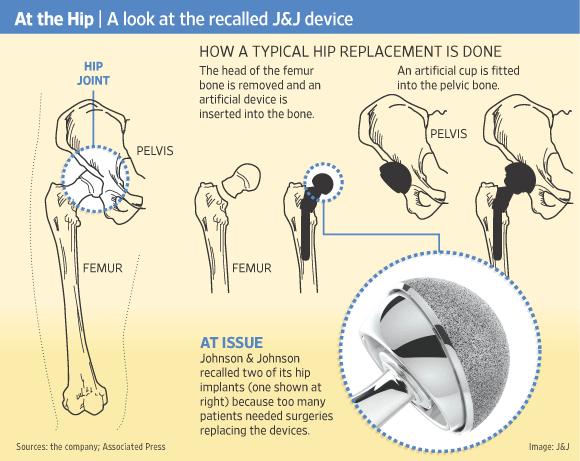
Have you noticed all the recalls for various joint implants? I bet you have. The FDA has a medical device division that is every bit corrupt as the drug and food divisions. The FDA in their greed and corruption has approved the sale and implantation of metal on metal joint implants. It doesn't take a rocket scientist to tell you that putting a metal on metal joint implant into a human being is a recipe for disaster but the FDA and the medical industry thugs did it one better. The metal they use in these implants was cobalt which is toxic to humans.

There are many... too many medical device companies but three of the biggest and most corrupt are Medtronic, Stryker and Johnson & Johnson/DePuy. They run the device division of the FDA.

Medtronic is most likely responsible for the largest amount of carnage. Click this link to read more about Fines exceeding $100 MILLION against Medtronic

http://www.ennislaw.com/images/stryker-rejuvi-abg-hip.jpg

These devices are not only designed by brain damaged engineers so that they fail in a few years; even if they function properly mechanically they shed toxic metal that causes bone necrosis and liver failure. The device companies know that these implants had a high failure rate during clinical trials and even before the clinical trials they knew every single on of them would shed toxic metal ions. They still approved them knowing that they would kill and maim thousands of humans.


Joint implants are only one example of the massive corruption within the FDA and its industry masters. Cardiac stents, imaging equipment, trans vaginal and pelvic mesh are a few other devices that are maiming and killing patients.


Tuesday, August 14, 2012

Thomas "Tres" Caffall Texas A&M Shooter

Yahoo News Reports 3 Dead and 4 wounded In Texas Shooting Rampage

OK folks, most of you know where this is going. It's been about a week since the Sikh temple massacre and now we have a massacre in Texas near the the campus of  Texas A&M. The shooter Thomas "Tres" Caffall killed a police officer with one of his semi automatic rifles.

Texas in full of a lot of right wing nuts who hate the police and any form of authority so that may have been motivation but one thread that runs through all these mass shooting is prescription medication namely SSRI antidepressants such as Wellbutrin, Paxil or Prozac.

http://l1.yimg.com/bt/api/res/1.2/syFZjebU7uFmM2A5JW1iig--/YXBwaWQ9eW5ld3M7cT04NTt3PTE5MA--/http://media.zenfs.com/en/blogs/thelookout/texas-am-gunman.jpg
Thomas "Tres" Caffall

It's already been established that Caffall was a right wing gun nut. 


http://s3-ec.buzzfed.com/static/enhanced/web05/2012/8/13/20/enhanced-buzz-24013-1344905797-0.jpg

http://s3-ec.buzzfed.com/static/enhanced/web04/2012/8/13/21/enhanced-buzz-wide-15324-1344906500-8.jpg
His Face Book Account


http://s3-ec.buzzfed.com/static/enhanced/web04/2012/8/13/20/enhanced-buzz-14861-1344905795-1.jpg
One of his sniper rifles
http://s3-ec.buzzfed.com/static/enhanced/web05/2012/8/13/20/enhanced-buzz-wide-23949-1344905798-3.jpg
More of his arsenal.


Sunday, August 5, 2012

Were SSRI's Responsible For The Sikh Temple Shooting?

Did some deranged hate filled Right wing Christian coward do the shooting thinking he was killing Muslims? That is a distinct possibility. Was it merely a hate crime? We don't know yet but if this is like all the other mass shootings the perpetrator did not act alone. It is quite likely that his horrifying actions were fueled by an SSRI antidepressant like Paxil or Wellbutrin.

Add dangerous mind altering prescription drugs to people who are already delusional enough to worship the gruesome homicidal god of Abraham in you'll have a recipe for disaster.

The following article is a reprint from Medical Holocaust .


http://msnbcmedia.msn.com/j/MSNBC/Components/Slideshows/_production/ss-120805-shooting/ss-120805-shooting-tease.photoblog600.jpg
Peaceful Sikh


The Sikh Temple Shooting

It has already been said and understood that Sikhs are not fucking assholes like Muslims and Christians tend to be. They are handling this tragedy with grace and dignity. Hopefully Sikhism will supplant the vile and violent Abrahamic faiths. I don't know much about Sikhism but I plan on learning more.


Judging by the serenity and humility the Sikhs have shown so far that damn few, if any of them would accept or need the SSRIs or other deadly antidepressants that have been linked to almost all the mass shooting.

Here is a long list of SSRI MURDERS AND SUICIDES AND SSRI VIOLENCE

We know that the Batman Shooter was on prescription drugs. This shooter was probably on an SSRI that acted as a catalyst to ignite his hate.

SSRI Bullets an article by Scott Bell explains the pharmacology of SSRI's SSRI Bullets


http://farm1.staticflickr.com/88/255880511_0b8eb8a453.jpg
Asshole Muslims
http://vkb.isvg.org/@api/deki/files/124/=0050_ku_klux_klan_03.jpg
Asshole Christians

Sunday, July 22, 2012

James Holmes and the Batman Shooting: Is Big Pharma Responsible For This Massacre

One thing the corporate run media has yet to mention is the probable prescription drug connection to this shooting rampage in that Aurora movie theater. The have remained mute. Anderson Cooper vowed not to even mention his name while Pierce Morgan decided to have a debate about gun control before the the bodies were even cold.

For years Doctor Peter Breggin has been warning the FDA and Congress to the dangers of these prescription poisons.

This is no conspiracy theory folks. Doctor Bregging is presenting the cold hard facts and science. Please watch the videos and pass them on.

The conspiracy theorists are claiming this was staged. That's a remote possibility but the more logical explanation is the same as for all the school shooting and other murders ... Prescription drugs. Even in the Casey Anthony case there were prescription drugs involved and in all the accounts of people who knew her she also underwent a drastic personality change. IMO this was not more staged that the many school shootings. Holmes planned this all by himself. Holmes has a very high IQ. The guns were easily obtainable as was the ammo. Bullet resistant body armor is available online.

http://karrels.com/funny/ihascheeseburger/dr-phil-making-psychologists.jpg http://roflrazzi.files.wordpress.com/2011/09/funny-celebrity-pictures-how-can-i-cash-in-on-this-persons-terrible-personality-disorder.jpg

The TV shrinks will be running their mouths and presenting theory as fact. Dr Drew will pipe in with his usual bullshit but don't expect him to implicate prescription drugs since Holmes was not an addict. Dr Phil will pontificate as well in order to exploit this for ratings and he will in all likelihood be talking about the victims so his brain dead audience can have their warm fuzzies but you will not hear any mention of  the mind altering effects of prescription drugs being catalyst in the shootings even though it is widely known that all the school shooting involved prescription antidepressant medications.

http://img93.imageshack.us/img93/1403/alexjonesexperience.jpg
Alex Jones in his usual paranoid delusion is presenting one of his nut job conspiracy theories. If you want good laugh check out Alex Jones Says Batman Shooting Staged

There is no conspiracy here. Prescription drugs like the SSRIs SNRIs were the culprits in the school shootings and many other shooting rampages. Drugs like Prozac, Paxil, Wellbutrin, Lexapro, Cipralex, Celexa, Zoloft, Lustra, Pristiq, Cymbalta, were involved in all the school shootings.


http://www.a-human-right.com/whydothey.jpg

It may not come out that Holmes was on a an anti depressant until the trial. The mainstream media will talk about gun control, half baked psychological theories and exploit the victims for ratings but don't expect to hear any discussion about the role drugs may have played  in the shooting, wounding and deaths of the Aurora movie theater shooting victims.

https://blogger.googleusercontent.com/img/b/R29vZ2xl/AVvXsEi48H2ANbVhV7G-gNlkHOdU__LZQhvl7ipo-mNfgVcM6znPsxXbtK3mrWfnbBC5RHsRXzzgSyDlw7hyphenhyphenR8DXFSnFhnBMcMvcMK5REDGpaRgzHrUSsh2lXRK-cO1OkJTj6Cie_sUtB2S0loo/s320/Not+All+Terrorists+Look+Like+This.jpg


It's too bad that these shooters always end up killing innocent people. When there are so many scumbags who need killing like the 1%.

http://cdn.crooksandliars.com/files/movieimages/2011/09/21949.jpg?key=1317359195

Tuesday, July 17, 2012

Traction and Disk Heriations

American Spine Surgeons are the worst in the industrialized world as well as highest paid and greediest. That may be why most of them don't recommend traction for disk hernias. 

The following study was conducted in Korea so chances are it is more reliable and honest than anything you will find in the greedy US.


Reducibility of Cervical Disk Herniation: Evaluation at MR Imaging during Cervical Traction with a Nonmagnetic Traction Device

  1. Yong-Woon Shim, MD
  1. 1From the Department of Diagnostic Radiology and Research Institute of Radiological Science, Brain Korea 21 Project for Medical Science (T.S.C., Y.J.L., W.S.K., Y.W.S.), and Department of Rehabilitation Medicine (S.W.K.), Yonsei University College of Medicine, YongDong Severance Hospital, 146-92 Dogok-Dong, Kangnam-Gu, Seoul 135-270, Korea; and Airtrac MSI, Seoul, Korea (C.J.P.). From the 2000 RSNA scientific assembly. Received July 17, 2001; revision requested September 17; final revision received March 25, 2002; accepted May 14. Supported by Airtrac grant 1999-31A1-00014. Address correspondence to T.S.C. (e-mail: tschung@yumc.yonsei.ac.kr).

Abstract

The authors evaluated the reducibility of cervical disk herniation at magnetic resonance (MR) imaging performed with the patient in cervical traction. After the acquisition of neutral-state images, cervical traction images were obtained in 29 patients and seven healthy volunteers while they wore a portable intermittent traction device. During traction, all volunteers and 21 patients had a substantial increase in the length of the cervical vertebral column. The disk herniation was completely resolved in three patients and partially reduced in 18. The reducibility of cervical disk herniation can be evaluated at MR imaging performed during cervical traction.

Cervical traction has been applied widely to relieve neck pain from muscle spasm or nerve compression in rehabilitation medicine settings (1,2). Continuous or intermittent traction has been regarded as an effective treatment for herniated cervical disks (HCDs) because it facilitates widening of the disk spaces (3,4). The traction induces pain relief and regression of the herniated disks. Several reports (57) have described the regression of herniated disks either spontaneously or within the treatment period.

Widening of disk space during traction has been demonstrated mostly on radiographs (1). Radiography does not yield direct images of the herniated disk, however; radiographs show only the changes in vertebral bone structures. Direct visualization of the cervical disk would be very helpful for evaluating the reducibility of disk herniation during traction, and magnetic resonance (MR) imaging is the best examination for evaluation of intervertebral disk problems. To our knowledge, however, a device that enables visualization of the cervical disk during traction and is applicable to MR imaging has not been available before now. Although a portable traction device for cervical fractures has been reported on, the report was in the form of a technical note regarding a portable traction device that can be used with myelography or computed tomography (CT) (8). The study was not applicable to MR imaging because the metallic composition of the described traction device produced substantial artifacts.

We have designed a portable intermittent traction device made of nonmagnetic materials that do not affect MR imaging. The purpose of our study was to evaluate the reducibility of cervical disk herniation at MR imaging performed with the patient in cervical traction.

Materials and Methods

For 19 months, from June 1999 to November 2000, a total of 29 patients who consecutively received a diagnosis of HCD on the basis of findings at previously performed cervical CT or MR imaging and seven healthy volunteers were examined at cervical spinal MR imaging. The healthy volunteers were selected from a group of young persons during two stages: First, a rehabilitation physician (S.W.K.) selected young (ie, aged 18–40 years) healthy volunteers if they had none of the following symptoms or signs: pain, stiffness, tenderness, fracture, dislocation, neurologic signs such as decreased or absent deep tendon reflexes, weakness, sensory deficits, or muscular signs such as decreased range of motion or point tenderness. Next, the selected volunteers underwent T2-weighted MR imaging while in a neutral (ie, nontraction) state, and if either a degenerative change in or a herniation of a disk was detected, the subject was excluded. Finally, the selected volunteers underwent MR imaging while wearing the inflated traction device.

The patient group consisted of 10 men and 19 women, who ranged in age from 25 to 62 years (mean age, 44.4 years). The healthy volunteer group consisted of one man and six women, who ranged in age from 19 to 37 years (mean age, 26 years). The MR imaging examinations were performed after informed consent had been obtained from all patients and volunteers, as was required by the institutional review board of Yonsei University College of Medicine, YongDong Severance Hospital.

Traction Device

The traction device (Fig 1) was originally designed for portable intermittent use to accommodate a patient’s daily activities during traction. It is also constructed of a nonmagnetic material (Airtrac 101; Airtrac MSI, Seoul, Korea) that is compatible to MR imaging units. The traction device consists of three main parts: (a) a shoulder cover for the base of the device, (b) an accordion-shaped middle component that can be expanded by means of air inflation, and (c) mandible supports for effective transmission of traction. When the device is inflated with air, the accordion-shaped middle component stretches and has a traction effect on the neck. The anterior portion of the middle component is fixed with a band to maintain a flexion posture of the neck. We used 30 pounds of traction force: The pressure to the internal space was 0.4 kgf/cm2. Immediately after the procedure, we asked the volunteers and patients if they had experienced any pain or other discomfort during inflation of the traction device or during imaging.
Figure 1a. Cervical traction device used on a healthy volunteer. (a, b) The traction device consists of a shoulder cover at the base of the device (1), an accordion-shaped middle component that is expanded by means of air inflation (2), and mandible supports for effective transmission of traction (3). In b, the anterior portion (4) of the middle component is fixed with a band to maintain a flexion posture of the neck. (c, d) When the device is inflated with air, the accordion-shaped middle component stretches to have a traction effect on the neck.
Figure 1b. Cervical traction device used on a healthy volunteer. (a, b) The traction device consists of a shoulder cover at the base of the device (1), an accordion-shaped middle component that is expanded by means of air inflation (2), and mandible supports for effective transmission of traction (3). In b, the anterior portion (4) of the middle component is fixed with a band to maintain a flexion posture of the neck. (c, d) When the device is inflated with air, the accordion-shaped middle component stretches to have a traction effect on the neck.
Figure 1c. Cervical traction device used on a healthy volunteer. (a, b) The traction device consists of a shoulder cover at the base of the device (1), an accordion-shaped middle component that is expanded by means of air inflation (2), and mandible supports for effective transmission of traction (3). In b, the anterior portion (4) of the middle component is fixed with a band to maintain a flexion posture of the neck. (c, d) When the device is inflated with air, the accordion-shaped middle component stretches to have a traction effect on the neck.
Figure 1d. Cervical traction device used on a healthy volunteer. (a, b) The traction device consists of a shoulder cover at the base of the device (1), an accordion-shaped middle component that is expanded by means of air inflation (2), and mandible supports for effective transmission of traction (3). In b, the anterior portion (4) of the middle component is fixed with a band to maintain a flexion posture of the neck. (c, d) When the device is inflated with air, the accordion-shaped middle component stretches to have a traction effect on the neck.

MR Imaging

All MR imaging studies were performed by using a 1.5-T MR system (Vision; Siemens, Erlangen, Germany) with 25-mT/m gradient capability. With the patient wearing the traction device, standard cervical spinal MR images were acquired with sagittal turbo spin-echo T2-weighted and transverse two-dimensional fast low-angle shot sequences by using a standard spine circular polarization array coil. The parameters for sagittal turbo spin-echo T2-weighted MR imaging were 4,000/128 (repetition time msec/echo time msec), a 138 × 256 matrix, a 156 × 250-mm field of view, and nine images of 3-mm section thickness obtained during an acquisition time of 52 seconds. The parameters for transverse two-dimensional fast low-angle shot MR imaging were 550/12, a 30° flip angle, a 112 × 256 matrix, a 125 × 200-mm field of view, and nine images of 3-mm section thickness obtained during an acquisition time of 2 minutes 5 seconds. We reduced the matrix number to less than that used to obtain standard MR images, to minimize the acquisition time and motion artifacts.

First, neutral-state images were obtained during deflation of the traction device. Then, traction-state images were obtained 10 minutes after inflation with an external air tube to allow time for the traction effect on the normal or herniated disk. The patients and volunteers were monitored with closed-circuit television surveillance and could communicate by means of microphone to prevent unexpected emergency situations during traction.

Image Analysis

As a parameter of cervical vertebral column elongation, the distance between the middle point of the superior border of the C1 anterior arch and the inferoposterior point of the C7 vertebral body on magnified sagittal MR images was measured by using the computer console of the MR imaging unit (Vision). We did not use the odontoid process as the superior landmark because exact localization of the odontoid process tip could have been difficult sometimes owing to a patient’s tilting or rapid position change during traction. Measurements of cervical vertebral column elongation were obtained by two neuroradiologists (T.S.C., Y.J.L.) separately and blindly. The neuroradiologists were not informed of the patients’ clinical information.

The reducibility of cervical disk herniation was evaluated in the patient group. Complete resolution of the herniation was defined as a result in which the disk was completely inside the annulus margin without a residual herniated disk particle. Partial reduction was defined as a more than 50% volume reduction in the herniated disk particle with some residual tissue. The reduction ratio was calculated as follows: [(Dd)/D] × 100, where D is the distance between two parallel lines—one line drawn at the base of the herniated disk particle and the other drawn at the tip—in the neutral state and d is this distance in the traction state (Fig 2).
Figure 2. Measurement of reduction ratio. Reduction ratio was calculated as follows: [(Dd)/D] × 100. D is the distance between two parallel lines—one line drawn at the base of the herniated disk particle and the other drawn at the tip—in the neutral state, and d is this distance in the traction state.
Whether there was widening of the facet joints or intervertebral foramen during traction was determined in the patients and healthy volunteers. Retraction of the posterior margin of the disk during traction, as depicted on sagittal MR images, also was evaluated in the volunteers and patients. If the retracted posterior margin of the disk passed an imaginary line drawn from the posterior margins of two adjacent vertebral bodies, we defined this phenomenon as dimpling.

The two radiologists evaluated the pre- and post traction images side by side, without knowledge of the patients’ clinical information. The radiologists reviewed the images simultaneously, and results were recorded when they reached a consensus.

Statistical Analysis

The extent of cervical vertebral column elongation in the patients during traction was compared with that in the healthy volunteers. Statistical analysis was performed by using computer software (SPSS; SPSS, Chicago, Ill and Excel 2000; Microsoft Korea, Seoul, Korea). The Mann-Whitney U test was used to analyze our study data, and a P value of less than .05 was considered to indicate a statistically significant difference.

Results

The MR images obtained in the seven healthy volunteers during traction showed that the length of the cervical vertebral column had increased by 0–3 mm (mean length increase, 1.93 mm). Of the 29 patients, 21 (72%) had complete resolution or partial reduction of the cervical disk herniation and an elongation of the cervical vertebral column of 0–7 mm (mean length increase, 2.19 mm), which was not significantly different from that in the volunteers (P = .917). Eight patients had minimal elongation of the cervical vertebral column (mean length increase, 0.44 mm), which was significantly shorter than that in the healthy volunteers (P < .001) (Table 1). No patient reported having pain or any other discomfort during either traction device inflation or MR imaging.
View this table:
TABLE 1. Increased Length of Cervical Vertebral Column during Traction

Of the 29 patients, who had a total of 40 HCDs, 19 had an HCD at one cervical disk level, nine had HCDs at two levels, and one had HCDs at three levels. There were 15 HCDs each at the C5–6 and C6-7 cervical disk levels. There were five HCDs at the C3-4 level, three at the C4-5 level, and two at the C7-T1 level. In the patient with HCDs at three levels, the herniation at one level was reduced but the herniations at the two remaining levels were not. In the nine patients with HCDs at two levels (total of 18 levels), the herniations were reduced at 13 levels and not reduced at five levels. Of the 19 patients with HCDs at one level, 13 had reduced herniations and six did not.

Disk herniation was completely resolved in three (10%) of the 29 patients (Fig 3) and partially reduced in 18 (62%) (Fig 4). Eight of the 29 patients had minimal elongation of the cervical vertebral column during traction (mean length increase, 0.44 mm; range, 0–1.5 mm), however, and no reduction of the disk herniation. The length of elongation of the cervical vertebral column during traction in this group was significantly shorter than that in the healthy volunteers (P = .02). There was a significant difference in elongation of the vertebral column between the patients who did and those who did not have some herniation reduction (P = .01).
Figure 3a.(a, b) Sagittal (4,000/128) and (c, d) transverse (two-dimensional fast low-angle shot sequence, 550/12, 30° flip angle) MR images depict a completely resolved cervical disk herniation after traction. (a, c) Neutral-state MR images show extrinsic compression of the dural sac and spinal cord at the C5-6 cervical disk level due to an HCD (arrow). (b, d) Traction-state MR images show reduction of the cervical disk herniation and the residual deformed spinal cord. Widening of the right-side facet joint space (arrow in d) is seen on the transverse traction-state image.
Figure 3b.(a, b) Sagittal (4,000/128) and (c, d) transverse (two-dimensional fast low-angle shot sequence, 550/12, 30° flip angle) MR images depict a completely resolved cervical disk herniation after traction. (a, c) Neutral-state MR images show extrinsic compression of the dural sac and spinal cord at the C5-6 cervical disk level due to an HCD (arrow). (b, d) Traction-state MR images show reduction of the cervical disk herniation and the residual deformed spinal cord. Widening of the right-side facet joint space (arrow in d) is seen on the transverse traction-state image.
Figure 3c.(a, b) Sagittal (4,000/128) and (c, d) transverse (two-dimensional fast low-angle shot sequence, 550/12, 30° flip angle) MR images depict a completely resolved cervical disk herniation after traction. (a, c) Neutral-state MR images show extrinsic compression of the dural sac and spinal cord at the C5-6 cervical disk level due to an HCD (arrow). (b, d) Traction-state MR images show reduction of the cervical disk herniation and the residual deformed spinal cord. Widening of the right-side facet joint space (arrow in d) is seen on the transverse traction-state image.
Figure 3d.(a, b) Sagittal (4,000/128) and (c, d) transverse (two-dimensional fast low-angle shot sequence, 550/12, 30° flip angle) MR images depict a completely resolved cervical disk herniation after traction. (a, c) Neutral-state MR images show extrinsic compression of the dural sac and spinal cord at the C5-6 cervical disk level due to an HCD (arrow). (b, d) Traction-state MR images show reduction of the cervical disk herniation and the residual deformed spinal cord. Widening of the right-side facet joint space (arrow in d) is seen on the transverse traction-state image.
Figure 4a.(a, b) Sagittal (4,000/128) and (c, d) transverse (two-dimensional fast low-angle shot sequence, 550/12, 30° flip angle) MR images of a partially reduced cervical disk herniation after traction. (a, c) Neutral-state MR images show a small area of high signal intensity (arrow) that corresponds to a herniated disk fragment in the posterior central direction at the C5-6 cervical disk level. (b, d) Traction-state MR images show a reduction of the fragment (arrow in b) through a torn tract of the annulus fibrosus at the C5-6 cervical disk level.
Figure 4b.(a, b) Sagittal (4,000/128) and (c, d) transverse (two-dimensional fast low-angle shot sequence, 550/12, 30° flip angle) MR images of a partially reduced cervical disk herniation after traction. (a, c) Neutral-state MR images show a small area of high signal intensity (arrow) that corresponds to a herniated disk fragment in the posterior central direction at the C5-6 cervical disk level. (b, d) Traction-state MR images show a reduction of the fragment (arrow in b) through a torn tract of the annulus fibrosus at the C5-6 cervical disk level.
Figure 4c.(a, b) Sagittal (4,000/128) and (c, d) transverse (two-dimensional fast low-angle shot sequence, 550/12, 30° flip angle) MR images of a partially reduced cervical disk herniation after traction. (a, c) Neutral-state MR images show a small area of high signal intensity (arrow) that corresponds to a herniated disk fragment in the posterior central direction at the C5-6 cervical disk level. (b, d) Traction-state MR images show a reduction of the fragment (arrow in b) through a torn tract of the annulus fibrosus at the C5-6 cervical disk level.
Figure 4d.(a, b) Sagittal (4,000/128) and (c, d) transverse (two-dimensional fast low-angle shot sequence, 550/12, 30° flip angle) MR images of a partially reduced cervical disk herniation after traction. (a, c) Neutral-state MR images show a small area of high signal intensity (arrow) that corresponds to a herniated disk fragment in the posterior central direction at the C5-6 cervical disk level. (b, d) Traction-state MR images show a reduction of the fragment (arrow in b) through a torn tract of the annulus fibrosus at the C5-6 cervical disk level.

Widening of the facet joint space was observed at MR imaging during traction in two (29%) of the seven healthy volunteers and in five (17%) of the 29 patients (Fig 5). In addition, foraminal widening was observed in one (14%) of the seven volunteers and in five (17%) of the 29 patients. Dimpling of the annulus capsule due to the secondary retraction effect of the increased disk length was observed on the sagittal MR images obtained in three (43%) of the seven healthy volunteers and in 12 (41%) of the 29 patients (Fig 6) (Table 2).
View this table:
TABLE 2. Dimpling of Annulus Capsules and Changes in Facet Joints and Intervertebral Foramina during Traction
Figure 5. Sagittal T2-weighted MR images (4,000/128) of the foramen at the C6-7 cervical disk level and the facet joint at the C7-T1 cervical disk level in a patient with HCD in (a) neutral and (b) traction states. The facet joint (arrow) is widened at traction (b) compared with in the neutral state (a). The width of the foramen (arrowheads) also increased with traction.
Figure 6a. Sagittal T2-weighted MR images (4,000/128) of the cervical spine of a healthy volunteer in (a) neutral and (b) traction states. Dimpling of the annulus capsule (arrow in b) is seen at traction.
Figure 6b. Sagittal T2-weighted MR images (4,000/128) of the cervical spine of a healthy volunteer in (a) neutral and (b) traction states. Dimpling of the annulus capsule (arrow in b) is seen at traction.

Discussion

Although regression of a herniated intervertebral disk at follow-up has been reported in up to 3% of cases of herniated cervical or lumbar disks (6,7), the exact mechanism of the regression of a herniated intervertebral disk is still not understood. The disk may be subject to desiccation and shrinkage from loss of hydrophilic proteoglycans, which leads to a loss of water content and, consequently, a decrease in disk size (7). Reports (8,9) have suggested that traction therapy can induce HCD regression. However, the mechanism of the disappearance of the HCD at follow-up MR imaging after traction—that is, whether it is a reduction or a spontaneous resorption—is still unclear.

In a report (1), it is stated that the length of a cervical disk increases during traction. The report only describes those changes in disk length that were identified by measuring the distance between the bone margins of adjacent vertebral bodies on radiographs, however. Therefore, the reduction of a herniated disk particle during traction could not be precisely evaluated in that study.

If cervical spinal MR imaging could be performed simultaneously with traction, the changes in intervertebral disks could be directly evaluated. A cervical traction device for MR imaging should be made of nonmagnetic materials. In addition, the volume of the device should be small enough to fit easily on the limited space of an MR gantry and coil while inducing an adequate traction force. Therefore, we designed a device that can be expanded by means of air inflation. With expansion of the device, elongation of the neck between the shoulder and the occiput can be achieved. The device has a traction effect on the cervical vertebral column that is similar to that of conventional traction methods that are applied at bedside. We used 30 pounds of traction force (ie, pressure to the internal space of 0.4 kgf/cm2) because early separation of the posterior vertebral segment is induced by applying a minimum pressure of 25 pounds (10).

In our evaluation of the changes in HCDs during traction at MR imaging, we observed a reduced herniated nucleus pulposus particle through the tract of a torn annulus (Fig 4). This suggests that direct reduction effects on HCDs can be verified at MR imaging performed during traction. Although long-term follow-up was not performed in this study, we believe that reduction of the herniated nucleus pulposus might lead to healing of the torn annulus and resolution of the disk herniation. Complete resolution or partial reduction of a disk herniation was seen in 21 patients; these results suggest that traction has an effect on HCDs.

All seven healthy volunteers and 21 (72%) of the 29 patients with HCD showed substantial elongation of the cervical vertebral column after the traction device was applied and inflated.
In a cadaveric study (11), there were significant increases in the intervertebral foraminal volume and the size of the area at the foraminal isthmus. We also induced a flexion posture of the cervical spine during traction. However, neither widening of the facet joint space (in two [29%] volunteers and five [17%] patients) nor widening of the intervertebral foramen (in one [14%] volunteer and five [17%] patients) was frequent. These results might have been due to the thickness of sections on sagittal images, which may have been such that very rapid changes in the facet joint and intervertebral foramen could not be sufficiently evaluated.

Dimpling of the annulus capsule of the cervical disk was seen in three (43%) of the seven volunteers and in 12 (57%) of the 21 patients who had elongation of the cervical vertebral column during traction. This dimpling might have been a secondary effect of cervical vertebral column traction and may represent a response to the traction. Responding to the traction, intervertebral disks can show dimpling of the annulus capsule by increasing the length of disk space, which instantly results in negative pressure on the disk. Owing to its flexibility, the disk decreases in width to resolve this phenomenon. However, a disk that does not respond to the traction might not show dimpling of the annulus capsule.

In conclusion, cervical spinal MR imaging performed during cervical traction with a portable intermittent traction device can be used to evaluate the reducibility of cervical disk herniation with traction.

Acknowledgments

The authors thank Yong-Jae Lee, MD, for advice and support and for serving as a photographic model in the volunteer study.

Footnotes

  • Abbreviation: HCD = herniated cervical disk
  • Author contributions: Guarantor of integrity of entire study, T.S.C.; study concepts, T.S.C.; study design, T.S.C., C.J.P.; literature research, T.S.C., S.W.K.; clinical studies, T.S.C., Y.J.L., S.W.K., C.J.P.; experimental studies, T.S.C., C.J.P., Y.W.S.; data acquisition, T.S.C., W.S.K.; data analysis/interpretation, Y.W.S., T.S.C., Y.J.L.; statistical analysis, W.S.K.; manuscript preparation, T.S.C., Y.J.L.; manuscript definition of intellectual content, Y.J.L.; manuscript editing, Y.W.S., T.S.C., Y.J.L.; manuscript revision/review, T.S.C., Y.J.L., W.S.K.; manuscript final version approval, T.S.C.
Index terms: Magnetic resonance (MR), functional imaging, 316.12144 Spine, intervertebral disks Spine, MR, 316.121411, 316.121412, 316.12144

References